Company Info

About

About Fire Coatings

Many years experience in the Construction industry, delivering reliable solutions across a wide range of projects – including Fire Protection Their approach feels practical and hands-on, shaped by years working closely with contractors and developers.

Based in Grantham, UK, they support clients nationwide with a focus on quality, compliance, and consistency. It’s a service that appears built on trust, long-term relationships, and getting the job done properly.

Fire Coatings FAQs

What is intumescent paint?
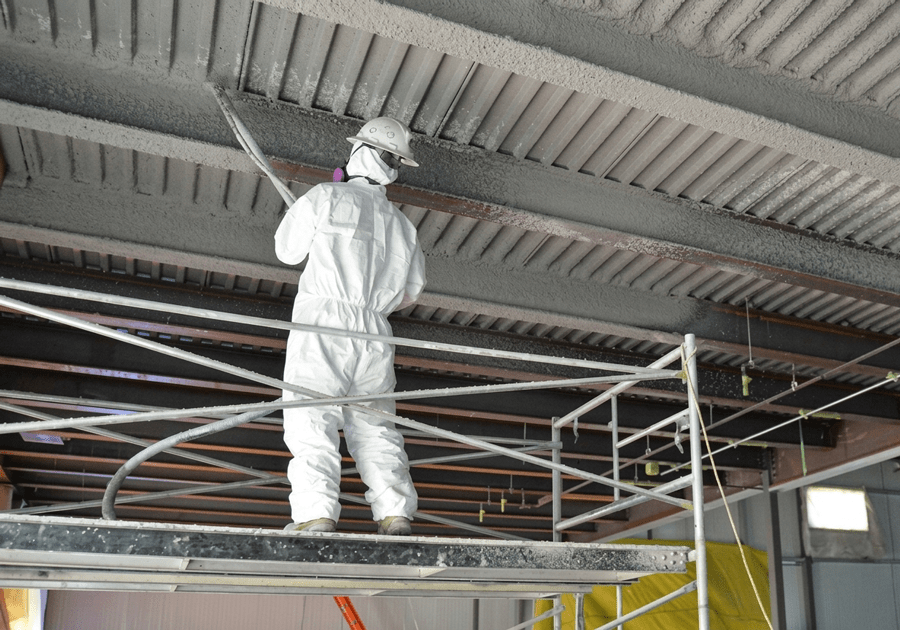
Intumescent paint is a fire-protective coating applied to structural materials such as steel, timber, or concrete. When exposed to high temperatures during a fire, the coating expands and forms a thick insulating char layer that protects the underlying material from heat.

Intumescent paint is a fire-protective coating applied to structural materials such as steel, timber, or concrete. When exposed to high temperatures during a fire, the coating expands and forms a thick insulating char layer that protects the underlying material from heat.

Intumescent paint is commonly used in buildings where fire resistance is required for structural elements. These include:

  • Commercial buildings
  • Industrial facilities
  • Residential buildings
  • Airports and railway stations
  • Shopping centres and car parks
When exposed to high temperatures (typically around 200–250 °C), the paint reacts chemically and expands up to many times its original thickness. This expansion creates a foam-like char layer that acts as a thermal barrier, reducing heat transfer to the structural material.

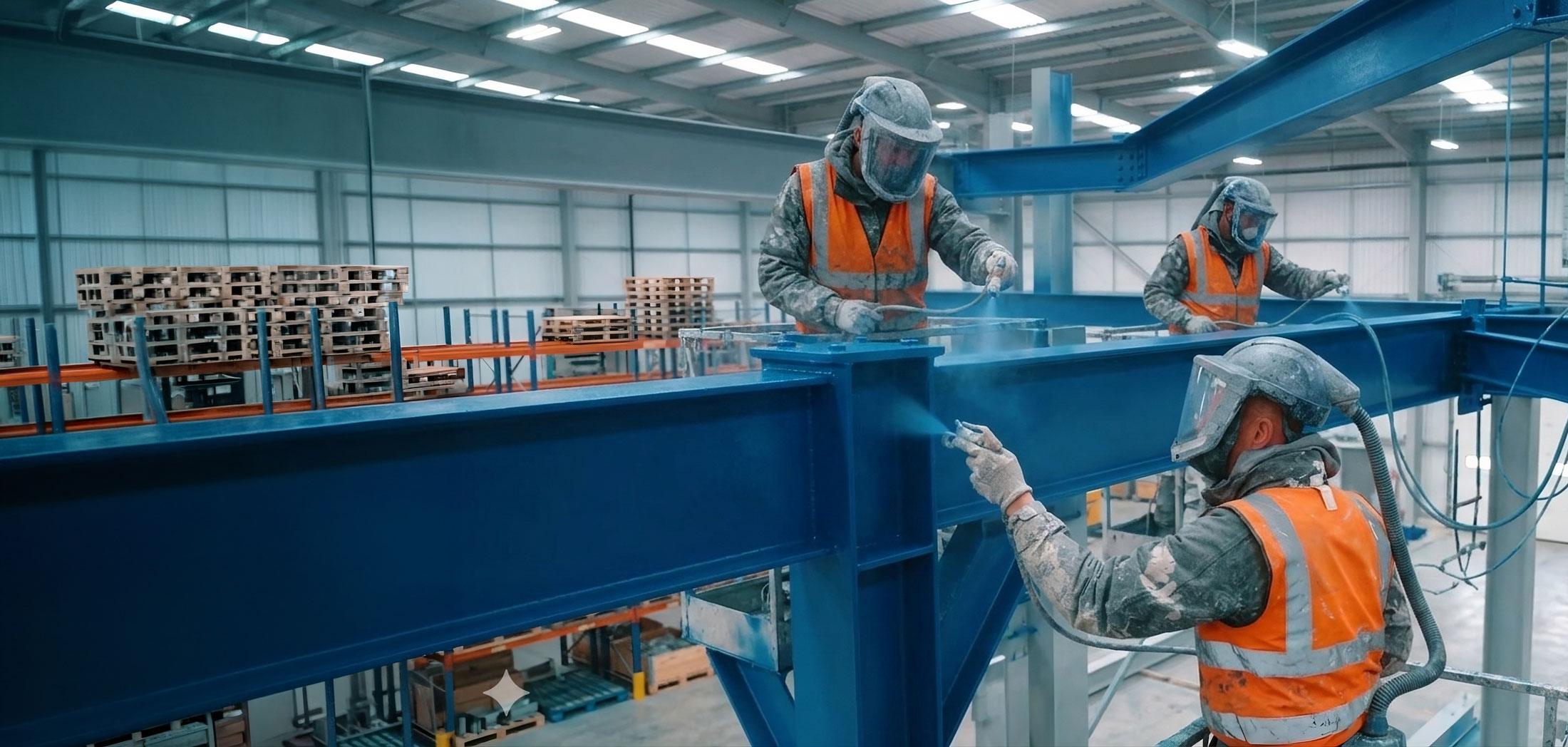
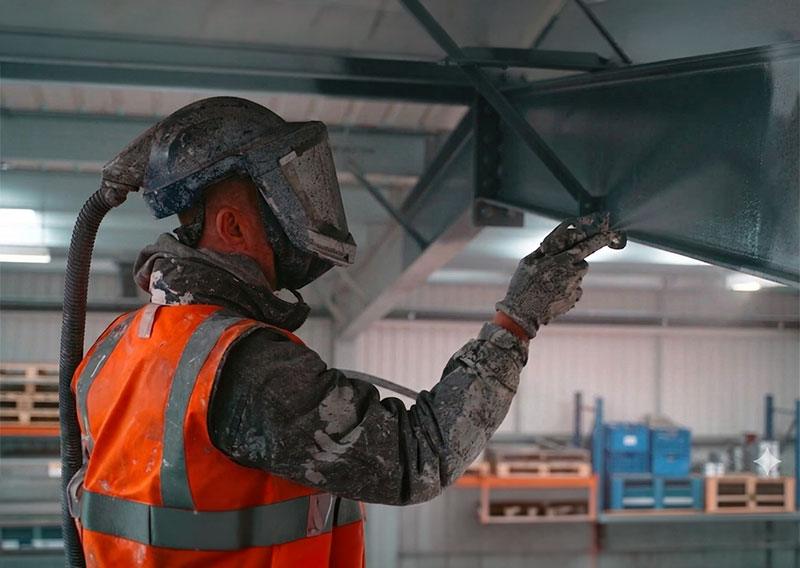
Intumescent paint can be applied using several methods depending on the size and type of surface:

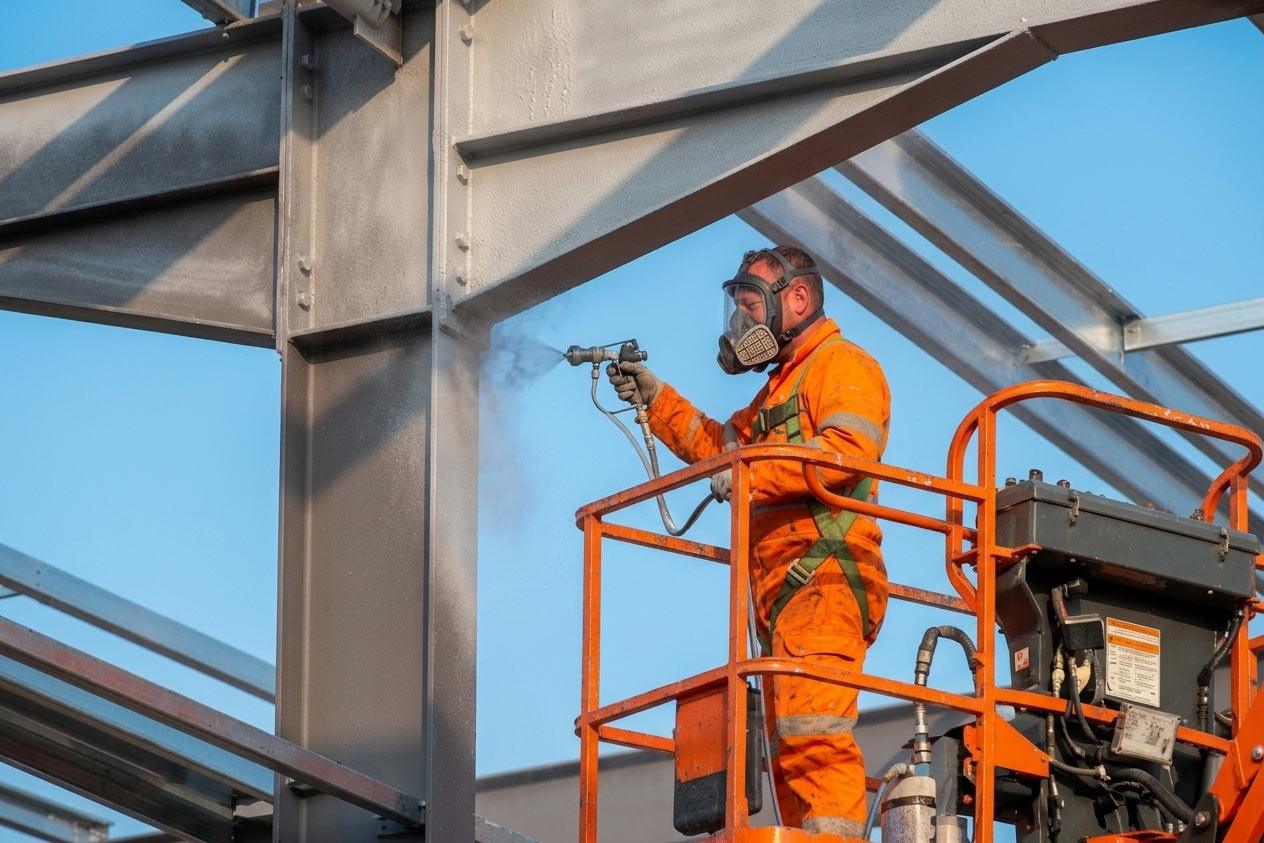
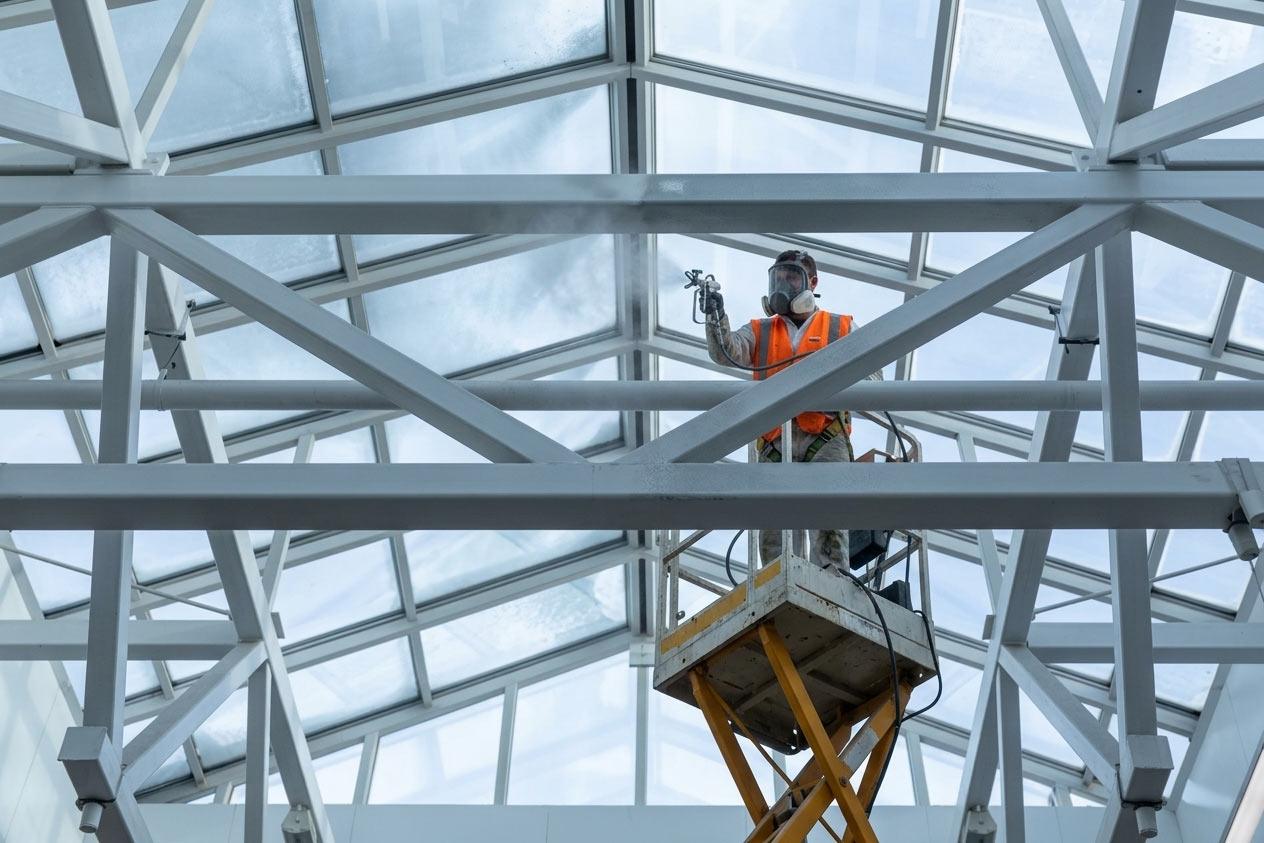
  • Airless spray application (most common for large steel structures)
  • Brush application (for small areas or touch-ups)
  • Roller application (for medium-sized surfaces)

Proper surface preparation is essential for good adhesion and performance. This typically includes:

  • Cleaning the steel surface to remove dust, grease, or contaminants
  • Removing rust or mill scale
  • Applying a compatible primer to protect the steel and ensure proper bonding with the intumescent coating.
The thickness of the coating determines how long the structural element can withstand fire exposure. The required dry film thickness (DFT) is calculated based on the desired fire resistance rating, such as 30, 60, 90, or 120 minutes.
In many cases, a topcoat is applied over the intumescent layer. The topcoat provides additional protection against moisture, weathering, and mechanical damage, and it can also improve the aesthetic appearance of the structure.

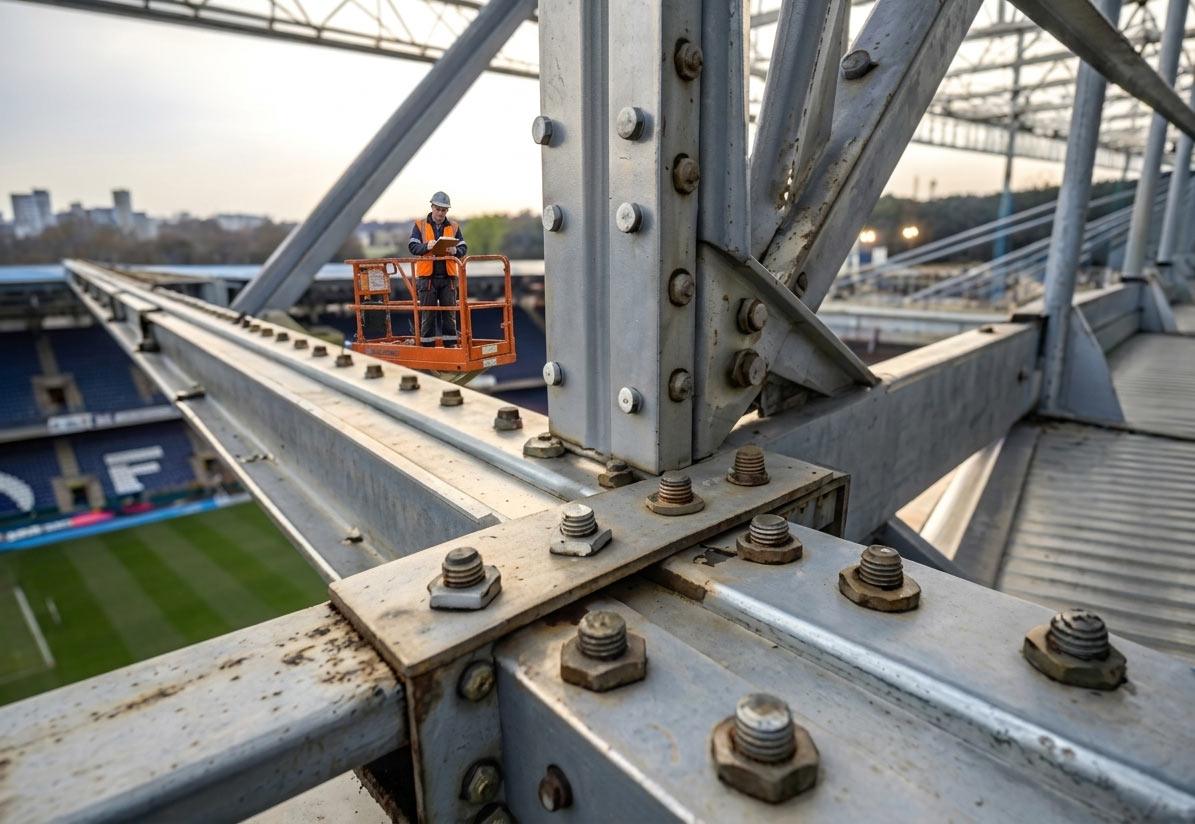
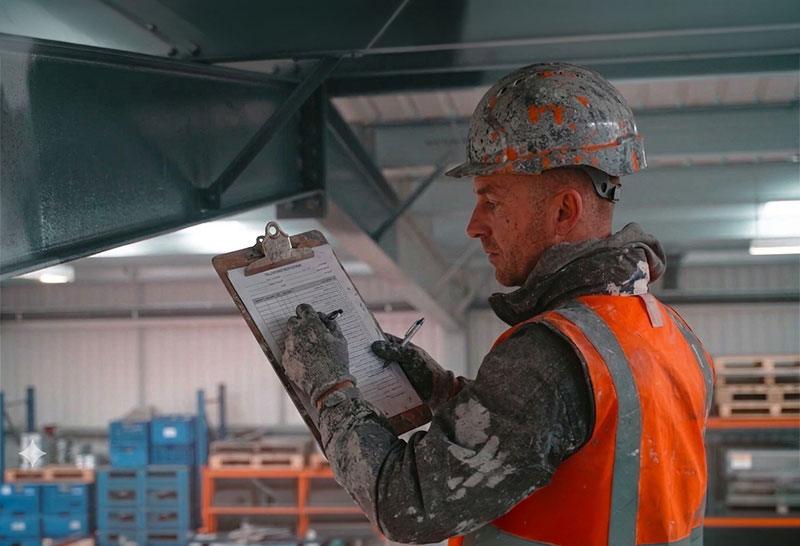
Quality is checked through inspection procedures that include:

  • Visual inspection for defects
  • Measurement of coating thickness
  • Adhesion testing where required
  • Verification that the coating system follows manufacturer specifications.

Some key advantages include:

  • Effective passive fire protection
  • Lightweight compared to traditional fireproofing materials
  • Maintains the architectural appearance of steel structures
  • Easy to apply and maintain
  • Suitable for both new construction and refurbishment projects
When properly applied and maintained, intumescent coatings can last for many years. Their lifespan depends on environmental conditions, maintenance practices, and the quality of the original application.
Yes, but exterior applications typically require special formulations and protective topcoats to withstand weather conditions such as moisture, UV exposure, and temperature changes.