Fire safety in construction isn’t just a box-ticking exercise. It sits right at the centre of how buildings are designed, approved, and ultimately used. In the UK, regulations have tightened over time—partly in response to past failures—and there’s now far less room for guesswork.
That’s where fire protection coatings come in. They’re often specified early, yet sometimes only properly understood once a project runs into compliance questions. Used correctly, they can make the difference between a smooth sign-off and a frustrating delay.
Understanding the Regulatory Landscape
In the UK, fire safety requirements are largely governed by Approved Document B, part of the Building Regulations. It sets out how buildings should resist fire spread, maintain structural stability, and allow safe escape.
There are also supporting standards and guidance, including:
- BS 476 (fire testing of building materials)
- BS EN 13381 (fire resistance testing for structural elements)
- Guidance from the Association for Specialist Fire Protection (ASFP)
At a glance, it can seem overly technical. But the underlying aim is fairly straightforward: ensure a building remains stable long enough for occupants to escape and for emergency services to respond.
This is where fire protection coatings tend to play a quiet but essential role.
What Fire Protection Coatings Actually Do
In simple terms, fire protection coatings are applied to structural elements—most commonly steel—to slow down how quickly they heat up during a fire.
Steel, for example, doesn’t burn, but it weakens rapidly when exposed to high temperatures. Without protection, it may start to lose its load-bearing capacity in a matter of minutes. That’s obviously a problem in multi-storey buildings or large-span structures.
When exposed to heat, many coatings (particularly intumescent types) expand and form an insulating char layer. This layer acts as a thermal barrier, delaying temperature rise in the substrate beneath.
The result? Structural elements can maintain integrity for 30, 60, 90, or even 120 minutes—depending on the specification.
Meeting Fire Resistance Requirements
UK building regulations often require specific fire resistance periods, depending on the building type, height, and use. For example:
- Low-rise commercial units might require 30 minutes
- Offices or residential blocks may require 60–90 minutes
- High-rise or complex structures can require 120 minutes or more
Fire protection coatings are one of the most practical ways to achieve these ratings, particularly for exposed steelwork.
Rather than encasing steel in bulky boards or concrete, coatings allow architects and engineers to maintain slimmer profiles and more open designs. That flexibility is part of why they’re so widely used.
Still, the coating itself is only part of the story. Thickness, application method, and environmental conditions all influence whether the required rating is actually achieved.
Supporting Compliance from Design to Completion
One thing that often gets overlooked is how early fire protection coatings should be considered. Ideally, they’re part of the structural fire strategy from the outset—not an afterthought once construction is underway.
During the design phase, factors such as:
- Section sizes of steel members
- Load requirements
- Desired fire rating
…all feed into the coating specification.
By the time work reaches site, there should be a clear plan in place. But in reality, projects don’t always run that neatly. Changes happen, timelines shift, and details can get missed.
That’s where proper coordination—and, quite often, independent inspection—becomes essential.
The Importance of Correct Application
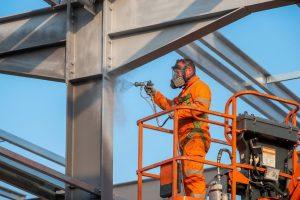
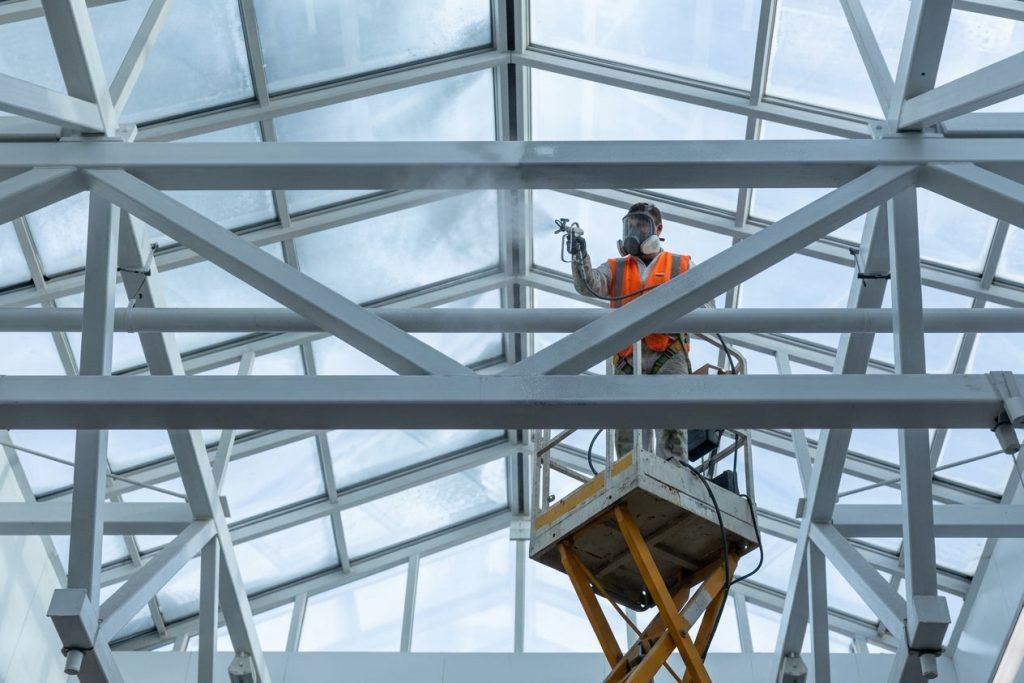
Even the best-specified system won’t perform properly if it’s poorly applied. It sounds obvious, but it’s a common issue.
Typical problems include:
- Incorrect film thickness
- Inconsistent coverage across surfaces
- Application in unsuitable environmental conditions
- Damage during later stages of construction
Any of these can compromise the effectiveness of fire protection coatings, and by extension, the building’s compliance.
On larger projects, it’s not unusual for different trades to overlap. Steelwork may be installed, coated, and then partially altered later. Without careful checks, gaps in protection can easily appear.
Third-Party Inspection and Verification
Given the stakes, independent verification is becoming more common—and, in some cases, expected.
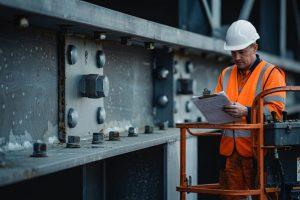
Third-party inspection services help confirm that fire protection coatings have been applied in line with the specified requirements. This usually involves:
- Measuring dry film thickness
- Checking surface preparation
- Reviewing documentation and certification
- Identifying any areas needing remedial work
For contractors and developers, this adds a layer of reassurance. It also helps avoid last-minute issues when building control or fire assessors review the project.
There’s a growing sense across the industry that relying solely on self-certification may not always be enough, particularly on higher-risk developments.
Documentation and Traceability
Another area where projects can come unstuck is documentation. UK regulations increasingly emphasise the importance of clear records—sometimes referred to as the “golden thread” of information.
For fire protection coatings, this might include:
- Product data sheets
- Test evidence and certification
- Application records
- Inspection reports
Keeping this information organised isn’t always glamorous work, but it can save a lot of trouble later on. If questions arise—whether during sign-off or years down the line—having a complete record makes a noticeable difference.
Fire Protection in Refurbishment Projects
New builds tend to get most of the attention, but refurbishment projects can be more complicated from a fire compliance perspective.
Older buildings may not meet current standards, and structural elements might lack adequate protection. Introducing fire protection coatings in these cases can be an effective way to upgrade performance without major structural changes.
That said, there are challenges:
- Existing surfaces may require preparation or repair
- Access can be limited
- Previous coatings or finishes may interfere with adhesion
Each project needs to be assessed on its own terms. There isn’t always a neat, standard solution.
Balancing Performance and Aesthetics
One of the quieter advantages of fire protection coatings is how they support modern design. Exposed steel features are common in offices, retail spaces, and even residential developments.
Coatings allow these elements to remain visible while still meeting fire resistance requirements. In many cases, they can be finished to a high standard, blending into the overall design rather than standing out.
Of course, achieving both performance and appearance requires careful planning. Thicker coatings for higher fire ratings can affect the final look, so it’s often a balancing act.
Final Thoughts
Meeting UK building regulations isn’t just about choosing the right materials—it’s about ensuring those materials are specified, applied, and verified correctly.
Fire protection coatings play a central role in that process. They help protect structural elements, support compliance, and give buildings the resilience they need in the event of a fire.
But they’re not a standalone fix. Their effectiveness depends on coordination between designers, contractors, and inspectors. When everything aligns, they offer a practical and flexible solution. When it doesn’t, issues can surface quickly.
In a regulatory environment that’s only becoming more stringent, taking fire protection seriously from the outset feels less like an option and more like a necessity.