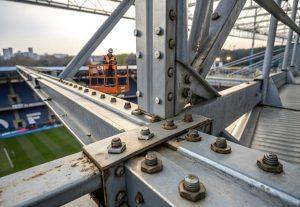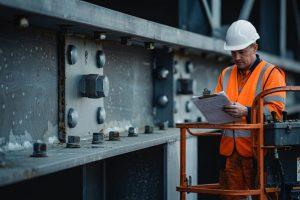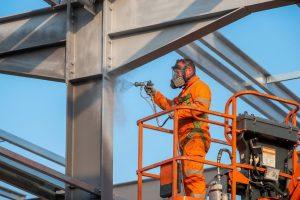
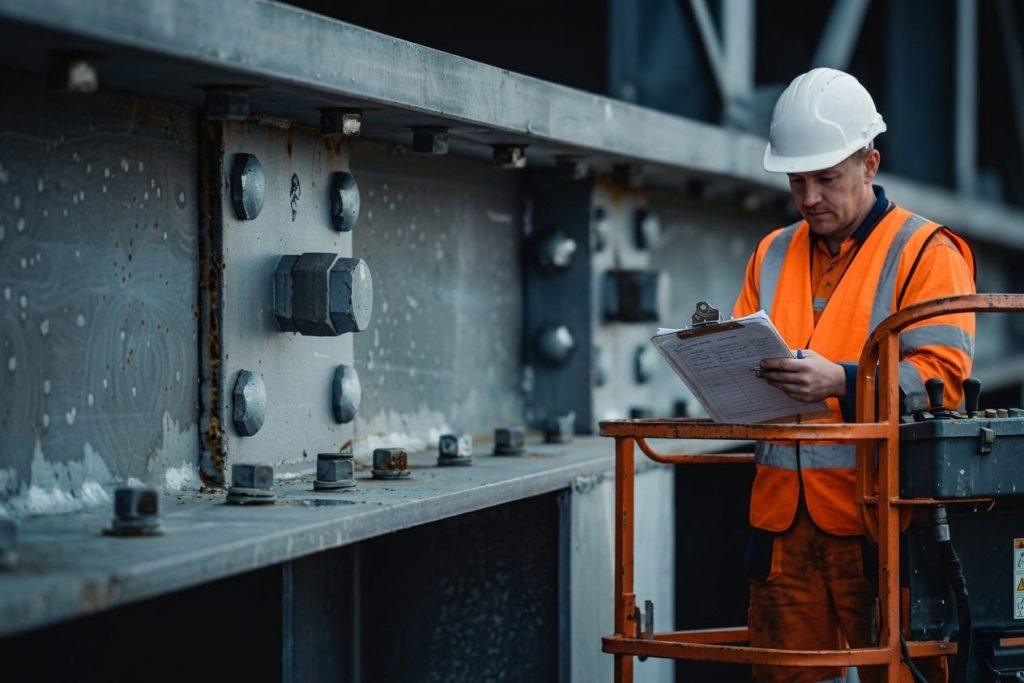
In construction and refurbishment projects, delays are a persistent headache. Whether caused by supply issues, design changes, or unexpected site problems, every day of delay adds cost and stress. One often overlooked factor, however, is fire protection compliance. Specifically, thorough fire coating inspection can make a decisive difference in keeping projects on schedule and avoiding expensive setbacks.
Fire protection systems, especially intumescent coatings, play a critical role in building safety. Without proper inspection and verification, even well-planned projects can face delays when building control officers or fire engineers identify non-compliance issues. Understanding how inspections function and their value can save time, money, and headaches.
Why Fire Coating Matters
Structural steel, timber, and other key elements in a building must meet regulatory fire resistance standards. In the UK, these are defined by Approved Document B of the Building Regulations and related guidance standards such as BS 476 and BS EN 13381.
Fire coating—particularly intumescent coatings—forms a protective barrier around these elements. When exposed to heat, it expands to insulate the structure, maintaining stability and giving occupants time to evacuate. However, achieving the intended fire rating is not automatic. Poor application, incorrect thickness, or inadequate surface preparation can compromise performance.
Without verification, these issues may go unnoticed until building control inspections occur. At that stage, rectifying problems can involve reapplication of coatings, removing other finishes, or even revisiting structural elements—costly and time-consuming processes that could have been prevented with a proper fire coating inspection.
The Role of Fire Coating Inspection
A fire coating inspection is a systematic process conducted by trained professionals to ensure coatings meet project specifications and regulatory requirements. These inspections typically cover several aspects:
- Surface Preparation Check: Inspectors confirm that steel or timber has been prepared correctly, free from rust, dust, oil, or other contaminants that could affect adhesion.
- Thickness Verification: Using specialised tools, inspectors measure the dry film thickness to ensure compliance with the specified fire rating.
- Coverage Assessment: They check that all critical areas are coated evenly, including edges, corners, and hard-to-reach sections.
- Curing and Environmental Monitoring: Proper curing is vital. Inspections may include verifying conditions such as temperature, humidity, and airflow during application.
- Documentation: A key element of modern compliance, inspectors produce detailed reports confirming that coatings meet standards, forming part of the “golden thread” of fire safety information.
By addressing these factors early, projects are far less likely to encounter unexpected non-compliance issues during regulatory review.
Preventing Costly Rework
One of the most immediate benefits of a fire coating inspection is the avoidance of rework. In large commercial projects, reapplying coatings can be a logistical nightmare: scaffolding may need to be reinstalled, adjacent finishes can be damaged, and workers must be rescheduled.
Each of these factors contributes to cost escalation. For high-rise developments, delays in fire protection approval can even halt other trades—plumbing, electrical, or fit-out work—causing a cascade of setbacks. An inspection programme ensures that potential issues are identified and rectified before they impact other elements of the build.
Streamlining Building Control Approvals
UK building control officers are increasingly stringent when assessing fire safety. Detailed inspection records from independent fire coating inspections provide tangible evidence that systems have been applied correctly.
This documentation can fast-track approvals, reducing back-and-forth queries and avoiding the frustration of on-site rectifications. For developers and contractors, this often translates into shorter project timelines and reduced risk of financial penalties.
Supporting Project Planning and Scheduling
Fire coating inspection is not just about compliance—it’s a tool for project management. Early and planned inspections allow contractors to:
- Integrate fire safety checks into the overall schedule, rather than leaving them until the end.
- Coordinate trades more efficiently, avoiding conflicts between coating application and other finishes.
- Anticipate potential issues and allocate resources for remedial work without disrupting timelines.
By treating inspections as a proactive step rather than a reactive measure, project managers gain better control over both costs and completion dates.
Quality Assurance and Peace of Mind
Beyond practical scheduling benefits, fire coating inspections offer peace of mind. Knowing that protective coatings have been applied correctly and will perform as expected in a fire scenario is invaluable.
For building owners, developers, and insurers, this assurance extends to liability reduction. Any fire-related incidents post-construction will have a clear trail of verified safety measures, which can be crucial in legal or insurance contexts.
Minimising Risks in Refurbishment Projects
Refurbishment projects present unique challenges. Older steelwork or timber structures may already have coatings that are deteriorated, incompatible, or non-compliant with current regulations.
In these cases, a fire coating inspection can identify areas needing attention before other trades start work. It avoids the costly scenario of having to strip back new installations to correct old deficiencies, ensuring refurbishment schedules remain realistic and achievable.
Integrating Inspections Into Modern Construction Practices
The benefits of fire coating inspections are increasingly recognised across the industry. Many construction projects now adopt a staged inspection approach:
- Pre-application checks on surface preparation.
- During-application monitoring to ensure correct thickness and coverage.
- Post-application verification before handing over to other trades or building control.
This staged process reduces risk at every step, providing a structured path from specification to final approval. It also supports compliance with the BS EN and ASFP standards that govern fire protection performance in the UK.
Choosing the Right Inspection Provider
Not all inspection services are equal. A reliable provider will offer:
- Experienced, trained inspectors with knowledge of both coatings and regulatory requirements.
- Clear, detailed reports suitable for building control submissions.
- Coordination with project teams to ensure inspections do not disrupt other work.
- Recommendations for remedial action if deficiencies are found.
Investing in professional inspection services may seem like an additional upfront cost, but the avoidance of delays, rework, and compliance issues often results in significant overall savings.
Conclusion
Delays on construction projects are costly, stressful, and sometimes unavoidable. Yet, when it comes to fire safety, many delays can be prevented. Fire coating inspection is a critical step that ensures protective coatings are applied correctly, meet fire resistance standards, and comply with UK building regulations.
From preventing costly rework to supporting smoother building control approvals, inspections provide both practical and strategic benefits. By integrating inspection into project planning, contractors, developers, and building owners can maintain schedules, reduce financial risk, and ensure that structural elements remain safe and compliant for years to come.
Investing in thorough fire coating inspections is not just about ticking a compliance box—it’s a smart strategy for keeping projects on time, on budget, and fully protected against fire risk.