Construction projects today are more complex than ever, with multiple trades, tight schedules, and rigorous regulatory requirements. One factor that can make or break a project’s success is compliance with building regulations and safety standards. This is where third-party inspections play a vital role, offering impartial verification and helping ensure that every element—from fire protection to structural integrity—meets required standards.
By integrating third-party inspections into the construction process, contractors, developers, and building owners can reduce risk, prevent costly delays, and maintain high-quality outcomes. In this article, we’ll explore why these inspections are essential, what they involve, and how they benefit projects across the industry.
Understanding Construction Compliance
Compliance in construction is about more than ticking boxes. In the UK, regulations such as Approved Document B for fire safety, the Building Regulations, and associated British Standards define specific requirements for materials, installation practices, and performance.
Projects must meet these standards to ensure occupant safety, structural integrity, and legal accountability. Non-compliance can lead to:
- Delays in approvals or handovers
- Costly rework or remediation
- Increased liability in case of accidents or fire incidents
- Potential insurance issues
Given these high stakes, relying solely on internal quality checks is often insufficient. Independent verification through third-party inspections provides an objective assessment that strengthens compliance.
What Are Third-Party Inspections?
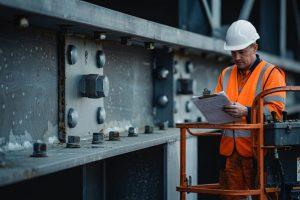
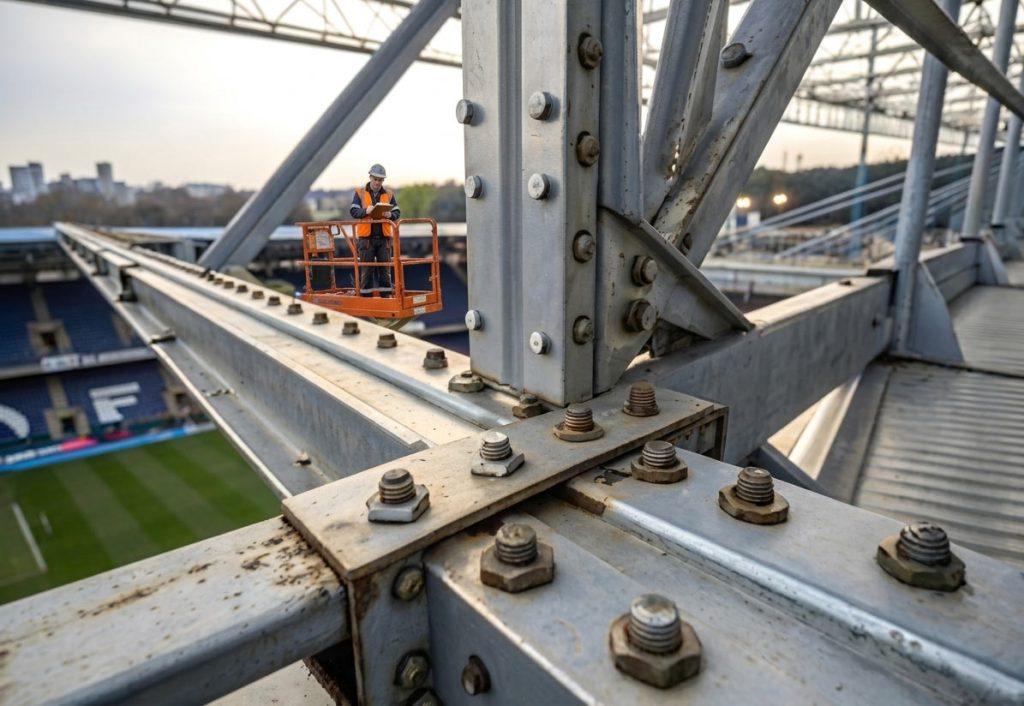
Third-party inspections involve hiring an independent organisation or certified inspector to review, verify, and report on specific aspects of a construction project. Unlike internal checks, these inspections are impartial, unbiased, and focused solely on compliance and performance.
The scope of these inspections can vary widely, covering:
- Fire protection systems, including intumescent coatings and fire-rated structures
- Structural steel and timber elements
- Mechanical and electrical installations
- Waterproofing and roofing systems
- Materials certification and testing
By involving an external party, projects gain an extra layer of assurance, reducing the likelihood of overlooked issues or internal conflicts of interest.
How Third-Party Inspections Prevent Project Delays
One of the most significant advantages of third-party inspections is their ability to prevent costly delays. Without independent verification, issues can go unnoticed until late-stage building control inspections, at which point correcting problems can be expensive and time-consuming.
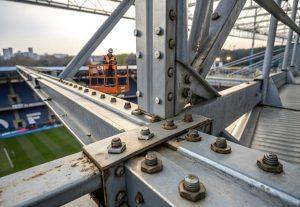
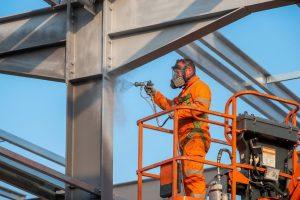
For example, improper application of fire protection coatings on steel beams may not be obvious visually but can fail to meet the required fire resistance rating. A late discovery could mean:
- Re-stripping finishes
- Re-coating structural elements
- Re-inspection and certification
All of these steps could halt work in other areas, causing a chain reaction of delays. By conducting inspections throughout the project—pre-application, during application, and post-application—these issues can be identified and rectified promptly.
Key Benefits of Third-Party Inspections
- Impartial Verification: Independent inspectors provide unbiased assessments, reducing risk of overlooked defects or compliance gaps.
- Regulatory Confidence: Reports and certificates from third-party inspections often streamline approvals with building control and fire authorities.
- Quality Assurance: Inspections ensure that materials, installation methods, and workmanship meet the specified standards.
- Risk Mitigation: Early identification of problems prevents rework, budget overruns, and delays in project timelines.
- Documentation and Traceability: Detailed inspection reports contribute to the “golden thread” of information, crucial for long-term building management.
These benefits extend across all types of projects, from high-rise residential developments to commercial refurbishments and industrial warehouses.
Third-Party Inspections for Fire Safety
Fire safety is one area where third-party inspections are particularly valuable. Modern buildings often rely on systems such as:
- Intumescent coatings on steel
- Fire-rated doors and partitions
- Sprinkler systems and alarms
Each of these elements must be installed and documented correctly to comply with UK regulations. A third-party inspection ensures:
- Correct application of coatings or fireproofing materials
- Verification of fire resistance ratings
- Proper documentation for building control submission
In many cases, fire safety inspections are required by law or strongly recommended to reduce liability, making them a critical part of overall project compliance.
Supporting Overall Project Management
Beyond compliance, third-party inspections support better project management by providing structured checkpoints. Contractors can schedule inspections at key stages to verify work, coordinate trades, and adjust timelines if necessary.
This proactive approach helps prevent bottlenecks, as inspectors identify potential issues before they escalate. For example:
- Structural steel may need adjustment before cladding or finishes are applied
- Fire protection application can be corrected without affecting other trades
- Documentation is ready in advance for regulatory review
Integrating inspections into the workflow also encourages accountability among contractors, subcontractors, and suppliers, improving overall project discipline.
Choosing the Right Third-Party Inspection Provider
Selecting a reliable inspection provider is essential. Considerations include:
- Accreditation and experience: Look for providers with relevant certifications and a proven track record in the construction sector.
- Specialisation: Some providers focus on fire protection, structural engineering, or specific building systems. Choose one aligned with your project’s needs.
- Reporting and communication: Clear, detailed reports with actionable recommendations are crucial.
- Flexibility and scheduling: Providers should be able to accommodate staged inspections without disrupting other trades.
A professional, well-coordinated inspection service can significantly reduce the risk of disputes, delays, and non-compliance issues.
Third-Party Inspections in Refurbishment Projects
Refurbishment and retrofit projects often carry higher compliance risks than new builds. Older structures may not meet current standards, and upgrades like fire protection coatings or structural reinforcement must be verified carefully.
In such scenarios, third-party inspections:
- Identify areas needing attention before other trades proceed
- Ensure that new installations meet current regulations
- Minimise disruption and rework, which can be costly in tight renovation schedules
For developers, this means refurbishment projects can be completed safely, efficiently, and on schedule.
Documenting Compliance for Long-Term Assurance
Modern building regulations emphasise traceability and documentation, often referred to as the “golden thread” of information. Third-party inspections provide detailed records of materials, installation methods, and compliance verification, which are essential for:
- Building control approval
- Insurance and liability considerations
- Long-term maintenance and fire safety management
Having a clear, verifiable audit trail can save money and prevent disputes years after a project is completed.
Final Thoughts
Third-party inspections have become an indispensable part of modern construction compliance. By providing impartial verification, early issue detection, and detailed documentation, they help projects stay on schedule, reduce risk, and meet stringent regulatory standards.
Whether for new builds, refurbishment projects, or complex commercial developments, integrating inspections into the workflow ensures that materials, installations, and safety systems perform as intended. For contractors, developers, and building owners, this approach not only supports compliance but also protects budgets, timelines, and reputations.
Investing in professional third-party inspections is not just a regulatory requirement—it’s a proactive strategy that safeguards projects, strengthens quality assurance, and minimises the risk of costly delays.